Posted by Baby Boutique UK
on February 20, 2026

Avionaut Pixel 3 vs Pixel Pro 2.0 C (2026 Launch Guide)
The Avionaut Pixel 3 has officially launched for 2026 — and for many parents, the biggest question isn’t “which is newer?” but which is right for my base and my baby?
This guide clearly explains the differences between the Pixel 3 and the trusted Pixel Pro 2.0 C, including compatibility, newborn support, safety engineering and real-world usability.
Quick Decision Guide:
✔ Own a Dock 2 base? → Choose Pixel Pro 2.0 C
✔ Buying a rotating IQ Orbit base? → Choose Pixel 3
✔ Want maximum insert adjustability? → Pixel 3
✔ Prefer memory-foam structured support with ADAC recognition? → Pixel Pro 2.0
✔ Own a Dock 2 base? → Choose Pixel Pro 2.0 C
✔ Buying a rotating IQ Orbit base? → Choose Pixel 3
✔ Want maximum insert adjustability? → Pixel 3
✔ Prefer memory-foam structured support with ADAC recognition? → Pixel Pro 2.0
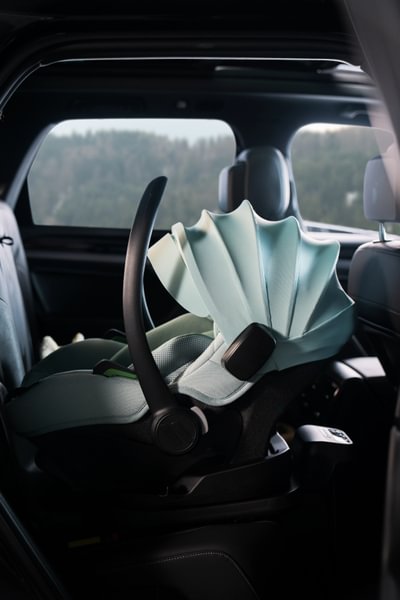
What Is the Avionaut Pixel 3?
Pixel 3 is Avionaut’s newest ultra-light i-Size infant carrier, suitable from 40–86cm (birth to approx. 13kg), rear-facing only and approved to R129 (i-Size) safety standards.
It continues the Pixel philosophy: extremely lightweight design combined with medically informed newborn positioning — now refined with a 24-position physiotherapist-developed insert system.
- Ultra-lightweight daily carry
- New AirFlow breathable fabrics
- Enhanced airway positioning focus
- Greater modular growth adjustment
Compatibility: The Most Important Difference
This is where most purchase decisions are made.
| Feature | Pixel Pro 2.0 C | Pixel 3 |
|---|---|---|
| Dock 2 Compatible | ✔ Yes | ❌ No |
| IQ Orbit Rotating Base | ✔ Yes | ✔ Yes |
| Seat Belt Installation | ✔ Yes | ✔ Yes |
| Weight | 2.5kg | Ultra-light class |
| Insert System | Cloud Care memory foam | 24-position modular system |
If you already own Dock 2, Pixel Pro 2.0 C is the compatible option.
Pixel 3 does not attach to Dock 2.
Newborn Insert Comparison
Pixel Pro 2.0 C – Cloud Care System
- Memory foam structured insert
- AGR certified (German Association for a Healthy Back)
- ADAC performance recognition
- Strong pelvic and spinal alignment support
Cloud Care focuses on impact absorption and structured support through memory foam shaping.
Pixel 3 – 24 Position Physiotherapist Insert
- 24-step adjustment system
- Developed with physiotherapists
- Enhanced airway positioning refinement
- Greater adaptability for smaller or premature newborns
- Improved ventilation with AirFlow fabrics
Summary: Pixel 3 increases adjustability and modular refinement. Pixel Pro 2.0 C offers more structured memory-foam shaping with longer independent recognition history.
Safety Engineering
Both seats feature:
- Advanced EPP (expanded polypropylene) energy-absorbing shell
- Rear-facing safety design
- R129 (i-Size) approval
- Side impact protection
Pixel Pro 2.0 C has established ADAC performance recognition. Pixel 3 represents Avionaut’s latest engineering generation within the same safety category.
Is Pixel 3 Safer?
Both meet strict R129 regulations. Pixel 3 refines ergonomics and modular adjustability. Pixel Pro 2.0 C carries longer independent testing recognition. This is product evolution — not replacement.
Who Should Choose Pixel 3?
- You are buying the IQ Orbit rotating base
- You want the newest 2026 generation
- You prefer maximum insert adjustability
- You want enhanced ventilation fabrics
- You do not own Dock 2
Who Should Choose Pixel Pro 2.0 C?
- You already own Dock 2
- ADAC recognition is important to you
- AGR certification matters
- You prefer memory-foam structured support
Need Help Choosing?
✔ In-store fitting & safety demonstrations
✔ Expert compatibility advice (Dock 2 vs IQ Orbit)
✔ Help building your full travel system
✔ 10-year warranty support
✔ Fully tracked UK delivery (2–4 working days)
✔ In-store fitting & safety demonstrations
✔ Expert compatibility advice (Dock 2 vs IQ Orbit)
✔ Help building your full travel system
✔ 10-year warranty support
✔ Fully tracked UK delivery (2–4 working days)
Frequently Asked Questions
Can Pixel 3 be used with Dock 2?
No. Pixel 3 is not compatible with Dock 2. It is compatible with IQ Orbit base or vehicle seat belt installation.
Is Pixel 3 lighter than Pixel Pro 2.0 C?
Both are ultra-light. Pixel Pro 2.0 C weighs 2.5kg. Pixel 3 remains in the same lightweight category.
Is Pixel 3 ADAC tested?
Pixel Pro 2.0 C holds ADAC performance recognition. Pixel 3 meets R129 standards and represents the latest generation model.